Call to reassess palm oil ban in Sri Lanka
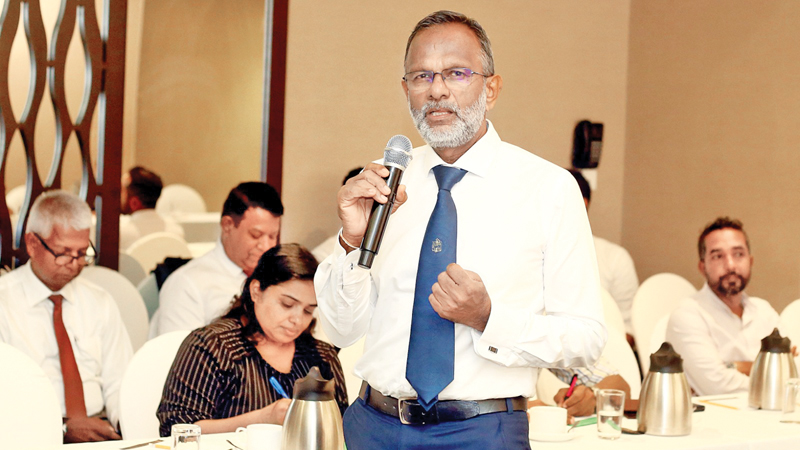
Sri Lanka must conduct a science-based reassessment to lift restrictions on palm oil cultivation, Chief Operating Officer of the Palm Oil Industry Association of Sri Lanka, Yajith De Silva told the media last week.
He said the Government had already decided to consider lifting the ban depending on public concerns.
Silva said a 13-member expert committee had already submitted its observations to the Government, and the matter had also been considered by the Cabinet of Ministers.
He said that the authorities were “looking at the sector very positively”, but decisions had been slowed by public resistance and misinformation surrounding the crop.
“We have been engaging with the media to raise awareness and address misconceptions,” he said, adding that sustained outreach would support “myth-busting” efforts and enable policymakers to make informed decisions on restarting and expanding cultivation.
According to de Silva, there is no proper scientific basis behind Sri Lanka’s restrictions on palm oil cultivation, as countries such as Malaysia and Thailand heavily cultivate the high-yield crop while generating substantial foreign exchange earnings and meeting domestic demand.
He said permitting palm oil cultivation would immensely benefit the economy, arguing that expanding the crop could deliver significant economic gains while reducing import dependency.
At present, Sri Lanka cultivates around 10,800 hectares of oil palm, according to the association, with plans under consideration to expand this to around 20,000 hectares. De Silva said that with limited land available for agriculture, it was essential to maximise productivity by using land for high-yield crops such as oil palm.
He said that restrictions on local cultivation had led to increased imports, placing additional pressure on foreign exchange reserves.
“We are importing a significant quantity of palm oil,” he said, highlighting the economic cost of the current policy stance.
Industry stakeholders maintain that a carefully regulated expansion of oil palm plantations could contribute to agricultural diversification, improve yields per hectare, and strengthen the country’s balance of payments. However, the sector continues to face opposition from environmental groups and segments of the public concerned about ecological impact. De Silva acknowledged the criticism but said it was often driven by “a small but vocal group” opposed to development initiatives.
He expressed confidence that ongoing engagement with stakeholders and evidence-based policymaking would ultimately pave the way for the Government to reconsider its position and support the controlled expansion of palm oil cultivation in Sri Lanka.