Palm oil industry pushes for ban reversal under new Govt.
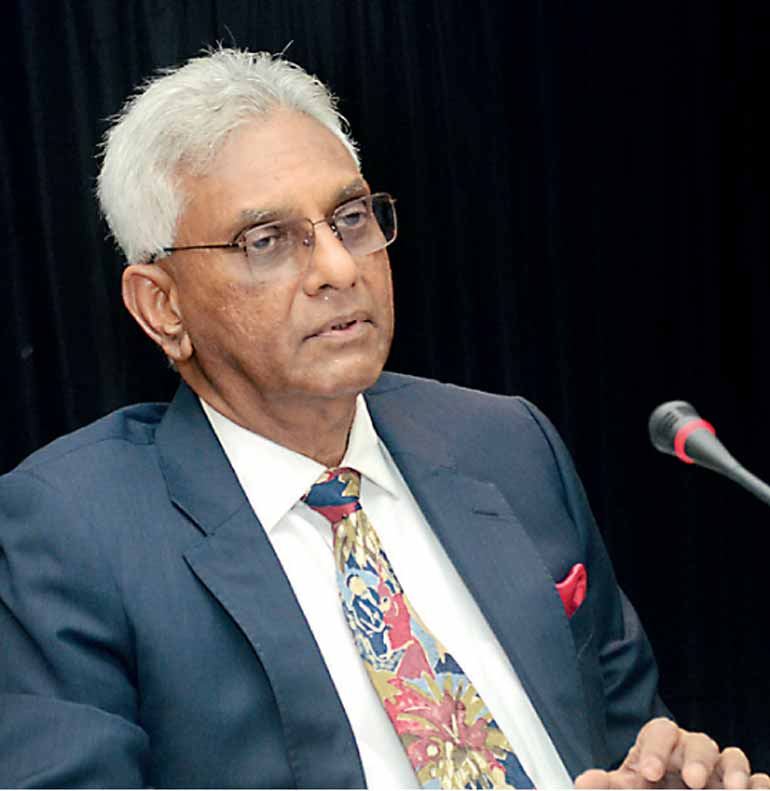
- POIASL President Dr. Rohan Fernando highlights oil palm cultivation’s potential in economic, environmental and strategic benefits at its 5th AGM
- Urges Govt. to lift ban to align with global practices, national economic goals
- Criticises 2021 ban on oil palm cultivation, lack of scientific evidence
- Opines palm cultivation could play key role in alleviating poverty through job creation across farming, processing and distribution, whilst reducing reliance on imported oils
- Calls on partnering with countries like India, Indonesia and Malaysia to boost local cultivation efforts
The Palm Oil Industry Association of Sri Lanka (POIASL) yesterday renewed its call for the Government to lift the ban on oil palm cultivation, insisting on its significant economic, environmental and strategic benefits during the association’s fifth Annual General Meeting (AGM).
Speaking at the event, POIASL President Dr. Rohan Fernando underscored the importance of engaging with the Government at the highest level to reconsider the ban, which he described as an “ill-conceived ad-hoc decision” lacking scientific basis.
Palm oil imports and the cultivation of local oil palm were banned in April 2021 by former President Gotabaya Rajapaksa citing a Central Environment Authority’s report of 2018 which claimed that the cultivation of the crop affected the environment adversely. Cultivation was to be phased out over 10 years. In response to urgent requests from confectioners, for whom palm oil is a key ingredient, licensed imports were permitted in the same year.
He emphasised that palm cultivation could play a pivotal role in alleviating poverty through job creation across farming, processing and distribution whilst reducing reliance on imported oils, a critical step in preserving the country’s foreign exchange reserves.
Dr. Fernando also emphasised the necessity for collaboration with Palm Oil Associations of major oil producing nations such as Indonesia, Malaysia, and India.
Despite these obstacles, there is hope on the horizon as the POIASL has strategically designed a blueprint focused on lifting the ban.
Dr. Fernando said under the leadership of Prime Minister Modi, the Indian administration is also working on an accelerated expansion program of oil palm cultivation.
Discussions at the Association’s AGM grazed on the baseless allegations against oil palm, and the need to strengthen the functions of the POIA during the year under review as a result.
The AGM of the POIASL concluded with immense optimism in a new political culture represented by the new administration that will take the necessary steps in lifting the ban and encouraging replanting as promised.
According to Environmental Impact Studies prepared by the POIASL, Sri Lanka’s vegetable oil demand has been steadily rising, prompting the Government to approve the planting of oil palm on 20,000 hectares in 2014 to meet an annual edible oil demand of 80,000 metric tons.
Without the import ban, local production could have supplied at least 50% of the nation’s needs by 2025. However, despite imposing a ban on palm oil imports, the Government later allowed imports after industry lobbying, revealing inconsistency in its edible oil policies – supporting consumption but restricting local production.
In the present, reduced duties on coconut oil imports are costing Sri Lanka valuable foreign exchange. Expanding oil palm cultivation could have enabled the export of higher-value coconut products while meeting domestic demand for edible oil. Oil palm’s productivity is nearly four times that of coconut oil, and increasing coconut oil production would require more time and land, making oil palm a more efficient solution for both local supply and foreign exchange earnings.