No harm in the palm
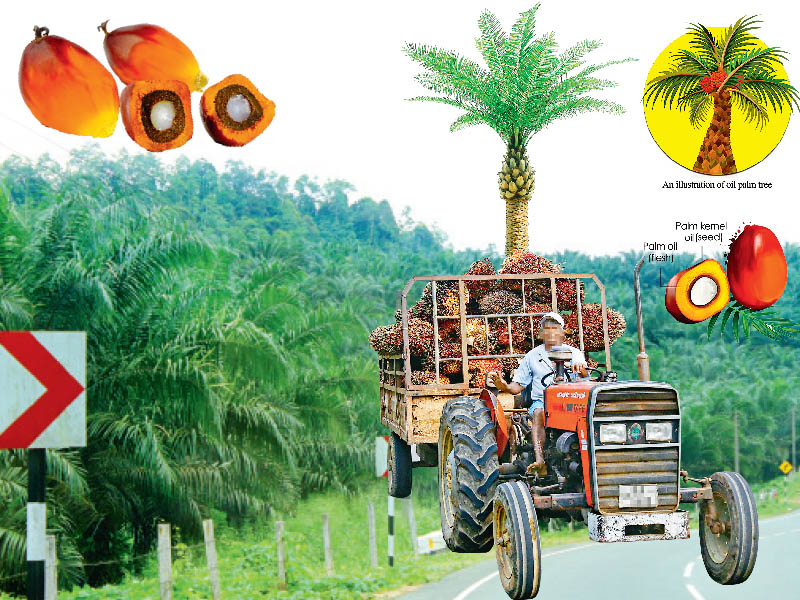
Although palm oil cultivation has been a much-debated topic in Sri Lanka the practice of farming oil palm has been in existence in the country for decades. It was when the mass cultivation of palm oil for commercial gains promoted, the eyebrows started to raise and concerns to be voiced out. The majority of issues raised regarding oil palm cultivation was centred on the potential adverse environmental effects the crop could cause to the nature. Among the concerns raised were; the oil palm tree is a high water-consuming plant which could lead to the depletion of ground water reserves, mass cultivation of the plant could damage the existing biodiversity in the plantation field, the plant possesses the potential to be an invasive plant, the high soil erosion potential of the plant, and so on.
In response to these concerns raised by various parties, the Government decided to conduct an evaluation and consequently, a report, compiled by an expert panel operating under the purview of Central Environmental Authority (CEA), was released in 2018. As per the recommendations of the report, the Government took a decision to impose a ban on palm oil imports and ordered oil palm plantations in the country to be replaced with rubber trees and other crops over the next decade, citing adverse environmental and social impacts. The Government announced the ban in April 2021 via a special gazette notification, much to the dismay of the investors and cultivators.
However, since the ban, many experts in agriculture and cultivation have voiced their concerns over the hurried nature of the ban and have questioned the credibility and accuracy of the report findings on which the ban was based. Over the years, the investors and cultivators have been pushing the Government to reconsider and lift the ban, and the scientific experts have taken a rather pragmatic and a holistic approach when looking at the adverse effects of the oil palm cultivation. Many arguments have been made in favour of oil palm cultivation citing the ban is based on rather narrow points of view. As a result, the country’s oil palm industry is currently in the prospects of lifting the ban and the Government too since have taken a rather lenient approach, evident by how many agriculture and cultivation related Government authorities and institutions have shows favourable responses to re-commencing oil palm cultivation in the country.
Ceylon Today recently reached out to the Director and the Chief Executive Officer of the National Institute of Plantation Management (NIPM) Dr. Prasad Dharmasena to know more about the oil palm cultivation, and he is of the opinion that Sri Lanka should consider cultivating oil palm on a mass scale under certain guidelines due to a wide range of benefits the oil palm could bring. This article is based on the opinions of Dr. Dharmasena regarding oil palm cultivation.
A huge global market
Oil palm plays a significant role in the global edible oil market. As the statistics by statista.com reveals, in 2023/24 the world-wide oil palm consumption is 77.99 million metric tons with Indonesia being the leading oil palm producer. Since 2015, the global oil palm consumption and production has also seen a steady increase, making oil palm production an effective and profitable economic venture for any suitable nation to tap into.
According to United Nations (UN) Food and Agriculture Organisation (FAO), Palm oil production has increased rapidly since the 1960s. Between 1970 and 2020, the world’s production of palm oil has increased by about 40 times. Moreover, global production has gone from only 2 million tonnes to around 80 million tonnes at the present. As the statistics show, the demand for vegetable oil in the world has increased exponentially and oil palm has risen to the meet that demand.
Moreover, as the FAO reveals, palm oil is very versatile and is used in a range of products across the world;
Foods: over two-thirds (68 per cent) is used in foods ranging from margarine to chocolate, pizzas, bread, cooking oils, and food for farmed animals.
Industrial applications: 27 per cent is used in industrial applications and consumer products such as soaps, detergents, cosmetics and cleaning agents.
Bioenergy: 5 per cent is used as bio-fuels for transport, electricity, or heat.
In Sri Lankan context
As Dr. Dharmasena revealed, the annual edible oil consumption need in Sri Lanka is about 220,000 metric tons. Although the seemingly most popular choice of vegetable oil in Sri Lanka is coconut oil since it is the most commonly-used household vegetable oil, coconut oil amounts to only around 25 per cent of the total edible oil/vegetable oil consumption need of the country.
“The total land extent of coconut cultivation in Sri Lanka at present is around 480,000 hectares; which is an increase since it has been only 340,000 hectares up until 2023. However, even with the increased cultivation area, total annual coconut oil production in the country is around 45,000 metric tons which is less than one-fourth of the total edible oil need. At the moment, Sri Lanka is importing around 180,000 metric tons of vegetable oil – mostly palm oil – annually, to meet the demand,” Dr. Dharmasena said.
An effective crop
In Sri Lanka, as Dr. Dharmasena revealed, oil palm is currently being cultivated in 11,000 hectares which produces an annual yield of 29,000 metric tons. “The yield can be increased to 80,000 metric tons, with effective agriculture practices, if the cultivation can be extended to 20,000 hectares,” Dr. Dharmasena said.
The main reason why oil palm is a profitable crop is its efficiency. While the annual yield per hectare in coconut oil and sunflower oil stand at 750 – 1000 litres and 200 litres respectively, in oil palm’s case it is a whopping 4000 litres. Any other oil extraction can produce a maximum yield of 350 litres per hectare per year.
“Sri Lanka is an island nation with a small area of 65,610 square kilometres. Moreover, the lands eligible for cultivation are further limited and finding new lands for cultivation is a challenge. The ideal way forward would be to utilise the existing farming lands in an effective way with technology and crops which are sure to give more yield per hectare. In this regard, oil palm stands as an obvious option,” Dr. Dharmasena said.
“When oil palm gives four-folds efficiency and yield, it is the go-to crop for edible oil production,” Dr. Dharmasena opined.
Pumping young blood into agriculture
One of the major blows the agriculture industry is dealt with, apart from the adverse effects on climate change and the hardship of obtaining chemical fertiliser, is the worrying trend of the youth of the country moving away from the industry.
If the oil palm cultivation is re-commenced in Sri Lanka on a large scale with the blessing of the Government, it can create a host of new job opportunities and the allure of a new crop is sure to attract the attention of the farmers and investors, especially the youth.
“Introducing oil palm is an investment, Not only it can lure the youth into agriculture, it can also save a lot of foreign revenue spent on importing edible oil,” Dr. Dharmasena said.
Allegations are more or less myths
Speaking of the alleged negative effects of oil palm, Dr. Dharmasena said the most of it are myths which aren’t backed by proper scientific research.
With the knowledge and expertise coming from neighbour countries, Sri Lanka can utilise unused farmlands to popularise oil palm cultivation in the country, and NIPM is ready to disseminate necessary knowledge to the cultivators and investors, Dr. Dharmasena added.