My destiny to introduce Oil Palm as a plantation crop in Sri Lanka
My introduction to oil palm
Fresh from training, Carson Cumberbatch and Company appointed me as Assistant Superintendent to the Nakiadeniya Group in the Galle District in 1965. At the time, Nakiadeniya was the largest rubber plantation in Ceylon, spanning over 7,300 acres.
Within weeks of my appointment, I was entrusted with supervising the germination of 212 oil palm seeds imported from Malaysia. This pioneering effort marked Sri Lanka’s first serious attempt at introducing oil palm as a plantation crop.
Initial preparation and germination
An abandoned smokehouse was converted into a germination chamber, where temperature and humidity were carefully regulated to ensure successful seed germination. The process demanded continuous monitoring to avoid mould formation and seed loss.
The success of this initial batch led to expanded planting, with 54 acres established by 1968 and 384 acres by 1970.
Political setbacks and nationalisation
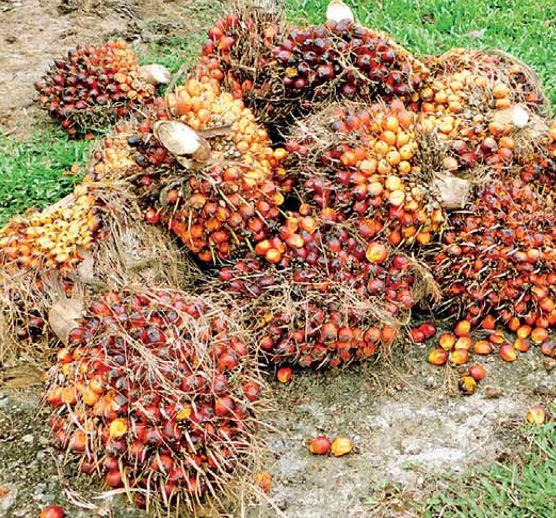
Political changes and the nationalisation of plantations in the early 1970s stalled further expansion. Valuable fruit bunches were left to rot as uncertainty discouraged investment and innovation across plantations.
Despite these setbacks, experimental palm oil extraction was carried out locally, and samples sent to Lever Brothers confirmed the oil’s commercial viability.
Expansion efforts and operational challenges
Under new ownership by Mr. Upali Wijewardene, ambitious plans were made to convert rubber plantations into oil palm. I was appointed Superintendent – Oil Palm, tasked with converting 1,000 acres annually.
Despite equipment shortages and import restrictions, over 1,300 acres of oil palm were successfully established by 1977.
Legal battles and forced departure
Court actions, political interference, and changes in plantation management culminated in my forced departure from Nakiadeniya, ending 16 years of dedicated service to the oil palm industry in Sri Lanka.
Subsequently, I continued my work in Malaysia, where oil palm cultivation had already proven its economic strength.
Legacy and national impact
By 2021, oil palm cultivation in Sri Lanka had expanded to nearly 88,000 acres. The foundations laid during the early years were instrumental in this growth.
Although political interference once again disrupted progress with a ban imposed in 2022, the subsequent lifting of the ban reaffirmed oil palm’s importance to national economic recovery.
Oil palm remains one of the most profitable edible oil crops globally, with additional health benefits such as high Vitamin E content, making it a strategic crop for Sri Lanka’s future.