Malaysia keen to help Sri Lanka – Malaysian High Commissioner
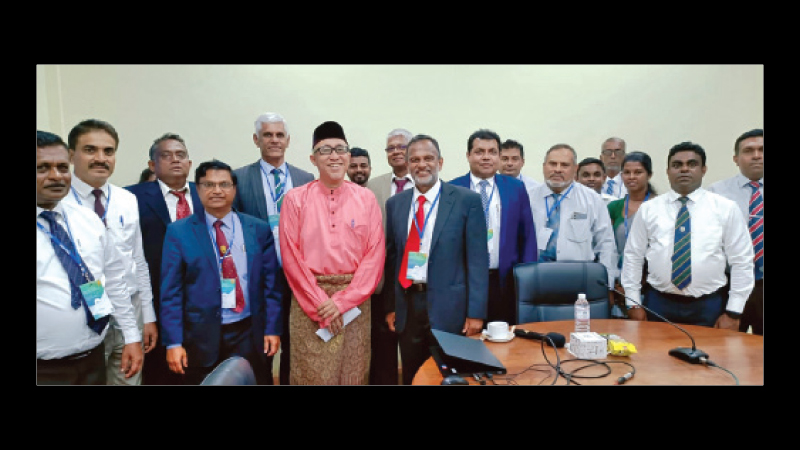
Sri Lanka should aim to move away from being a palm oil importing country and become an exporter, said the High Commissioner of Malaysia to Sri Lanka and the Maldives, Badli Hisham bin Adam.
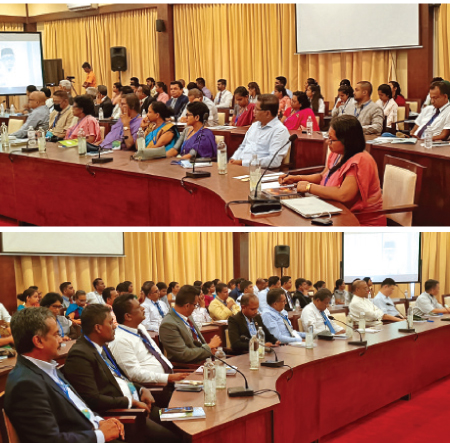
He was speaking at an international symposium on Agriculture and Environment organised by the University of Ruhuna in Matara.
The High Commissioner said Malaysia observed Indonesia’s transformation from a small producer into the world’s largest palm oil exporter through sustained policy support and technical collaboration.
He added that Malaysia is ready to host Sri Lankan delegations to demonstrate oil palm cultivation practices and to dispel misconceptions regarding environmental impacts.
Regional experience and support
Following Malaysia and Indonesia, India has also expanded oil palm cultivation. The High Commissioner questioned whether countries would invest heavily in oil palm if it caused serious environmental damage.
India is planning to expand oil palm cultivation to nearly two million hectares, highlighting the confidence regional economies place in the crop.
Economic potential for Sri Lanka
The Envoy noted that Malaysia earns nearly USD 15 billion annually from palm oil exports, contributing approximately seven percent to national GDP.
He also highlighted that palm oil planters in Malaysia enjoy high income levels, reflecting the profitability of the crop.
Local perspective
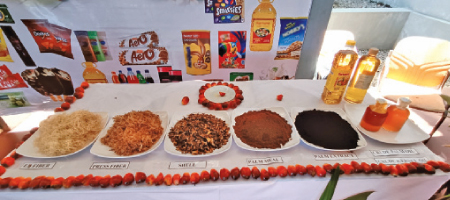
Yasith de Silva of the Palm Oil Industry Association of Sri Lanka said Sri Lanka currently cultivates around 11,000 hectares of oil palm.
He stated that if permission is granted to expand cultivation to 50,000 acres, the country could become self-sufficient in palm oil within three years, saving approximately USD 300 million annually in edible oil imports.
He further noted that oil palm has been cultivated in Sri Lanka for over 50 years without proven environmental damage.