Lifting of Oil Palm Ban
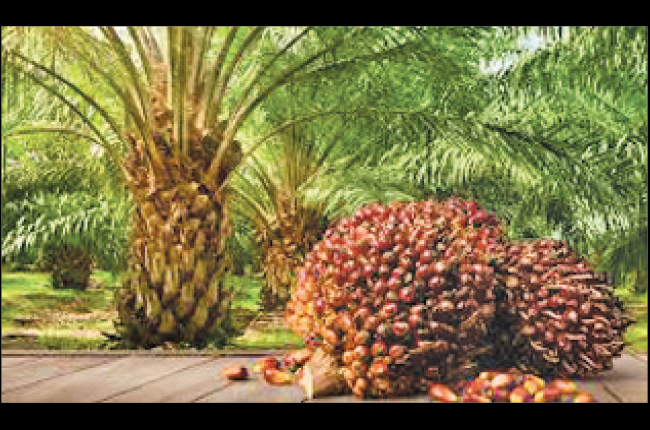
The call to lift the oil palm cultivation ban has gained renewed momentum, with industry stakeholders stressing the economic, social, and environmental benefits of allowing the crop to be cultivated under regulated conditions.
Experts have pointed out that Sri Lanka continues to spend a significant amount of foreign exchange on importing edible oils, while oil palm offers a viable local alternative that could reduce dependency on imports and stabilise domestic prices.
The ban on oil palm cultivation was introduced following environmental concerns raised by certain interest groups. However, plantation sector experts argue that these concerns were not supported by conclusive scientific evidence.
They highlight that oil palm in Sri Lanka is cultivated in high rainfall regions and that its water requirement is significantly lower than the annual rainfall received in these areas, making claims of water depletion scientifically unfounded.
Economic impact of the ban
Plantation companies and smallholders have suffered substantial financial losses following the ban, with investments made in nurseries and infrastructure rendered unproductive.
Small and medium-scale growers have reported monthly income losses, while employment opportunities in rural areas have also declined as a result of restricted cultivation.
Global and regional context
Palm oil remains the most widely consumed edible oil globally due to its versatility and cost-effectiveness. Countries such as Malaysia, Indonesia, and India have successfully expanded their oil palm industries while adhering to sustainable agricultural practices.
Industry analysts note that Sri Lanka could replicate these models on a smaller scale, ensuring environmental safeguards while benefiting economically.
Way forward
Stakeholders have urged policymakers to adopt an evidence-based approach when reviewing the ban and to engage with agricultural scientists, economists, and environmental experts to formulate balanced regulations.
Lifting the ban, they argue, would allow Sri Lanka to move towards self-sufficiency in edible oils, enhance farmer incomes, and contribute positively to national economic recovery.